
A Lesson from Seattle’s Favorite Raccoon

Like many Seattleites, I’ve fallen in love with Jimothy.
If you haven’t heard of him, Jimothy is the raccoon who has become something of a local—and now national—celebrity. Watching his adventures has brought smiles to countless people, including me. What I love most isn’t that he’s famous. It’s what his story seems to reveal about compassion.
Years ago, I lived in the same Seattle neighborhood where Jimothy has been spotted. Seeing photos and videos of him immediately brought back memories of walking those tree-lined streets, admiring the old homes, and appreciating all the wildlife that somehow manages to thrive alongside a bustling city.
One of the things I’ve always loved about Seattle is that nature is never very far away. Bald eagles soar overhead. Great blue herons quietly fish along the shoreline. Seals pop their heads out of Puget Sound. Coyotes wander through parks. Rabbits, owls, hummingbirds, and raccoons all seem to be part of everyday life. It’s one of the many reasons Seattle will always have a special place in my heart.
But what touched me most about Jimothy’s story wasn’t simply that he became famous.
It was learning about his family.
Neighbors who watched the raccoon family over time noticed that Jimothy seemed different from his siblings. He was smaller, clumsier, and sometimes struggled to keep up. They described watching his mother and siblings patiently helping him, preventing him from falling, and even carrying him when he couldn’t keep up. Of course, we can’t know exactly what the raccoons understood or why they behaved the way they did. But it’s hard not to be moved by what they observed.
Whether they understood that Jimothy was different or simply responded to his needs in the moment, they appeared to do something beautiful.
They didn’t shame him for struggling.
They didn’t leave him behind because he slowed them down.
They adapted.
Watching Jimothy’s story made me think about something I see every day as a professional organizer.
People often assume clutter is about stuff.
It isn’t.
More often than not, it’s about life.
One of the biggest influences on our homes isn’t the size of our closets or the number of storage bins we own. It’s the people we surround ourselves with.
Healthy relationships give us the energy to move forward. Unhealthy relationships often leave us emotionally exhausted, overwhelmed, and stuck. When one of the most important areas of our lives is out of balance, it’s common for our homes to begin reflecting that imbalance.
Our homes don’t exist in isolation.
They reflect what’s happening in the rest of our lives.
Green Flags: People Who Help You Grow
These are the people who help create peace in your life—and often make it easier to create peace in your home.
They:
- Celebrate your successes without jealousy.
- Respect your boundaries.
- Tell you difficult truths with kindness.
- Encourage your goals and dreams.
- Offer help without keeping score.
- Inspire you to become a better version of yourself.
- Make you feel emotionally safe.
- Leave you feeling encouraged instead of drained.
- Meet you where you are while gently helping you grow.
Red Flags: Relationships That Create Chaos
No relationship is perfect, but these patterns often create unnecessary stress.
Be mindful of people who consistently:
- Criticize more than they encourage.
- Manipulate, guilt, or pressure you.
- Ignore or disrespect your boundaries.
- Constantly create drama.
- Compete instead of celebrate.
- Make you question your own judgment.
- Take advantage of your kindness.
- Leave you feeling anxious before seeing them or emotionally exhausted afterward.
- Expect you to carry responsibilities that belong to them.
One of the biggest lessons I’ve learned—both as an organizer and simply as a person—is that organizing isn’t just about our physical environment.
It’s about creating a life that supports us.
I’ve watched clients make incredible progress in their homes after setting healthier boundaries, letting go of unhealthy relationships, or finding people who genuinely supported them. The emotional weight they had been carrying often showed up as physical clutter. As their relationships became healthier, they suddenly had more energy, motivation, and clarity to create the home they wanted.
That’s one of the central ideas behind everything I teach:
When a major area of life is out of balance, your home will often reflect that imbalance.
Maybe that’s why Jimothy’s story resonates with so many people.
It’s not just because he’s an adorable Seattle raccoon.
It’s because, deep down, we all want what he appeared to have—a family that was patient, supportive, and willing to help him succeed.
We all deserve relationships that lift us up rather than weigh us down.
And we all have the opportunity to be that kind of person for someone else.
Thanks for the reminder, Jimothy.

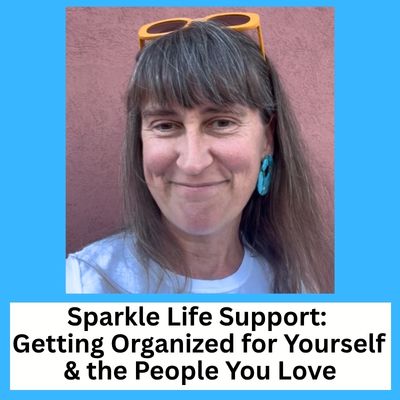
Posted By Jean Prominski, Certified Professional Organizer
- Follow me on Instagram @seattlesparkle
- Join my Facebook Group, Declutter and Organize with Seattle Sparkle.
- Ready to book a consultation? Complete this form.
Disclosure: This post may contain affiliate links. If you purchase through these links, I may earn a small commission at no additional cost to you. I only recommend products I personally use, love, or genuinely believe will be helpful.